Water Damage Restoration Process Explained Step by Step
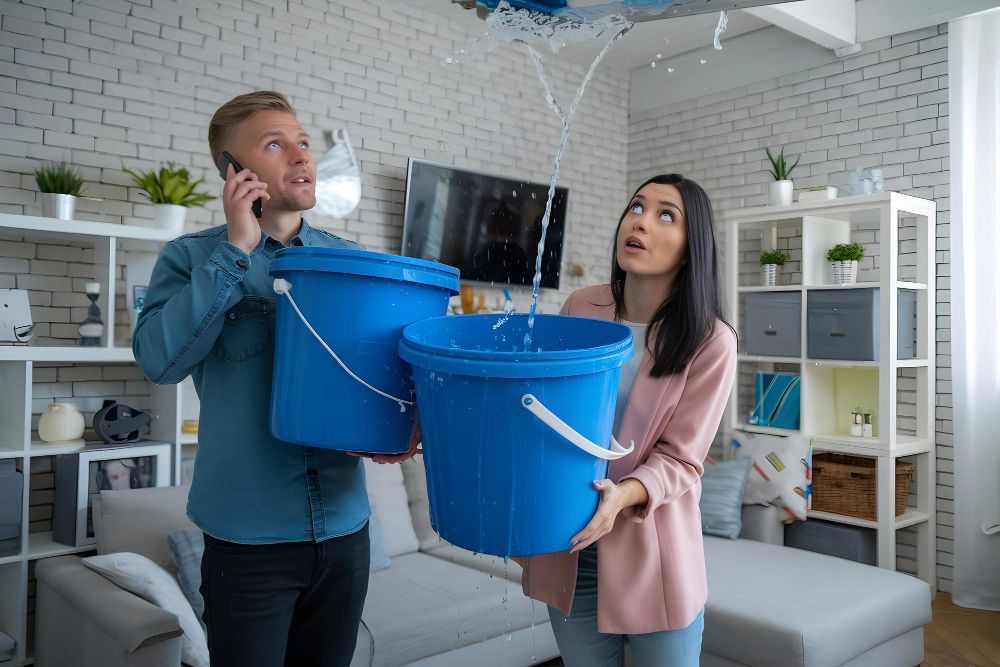
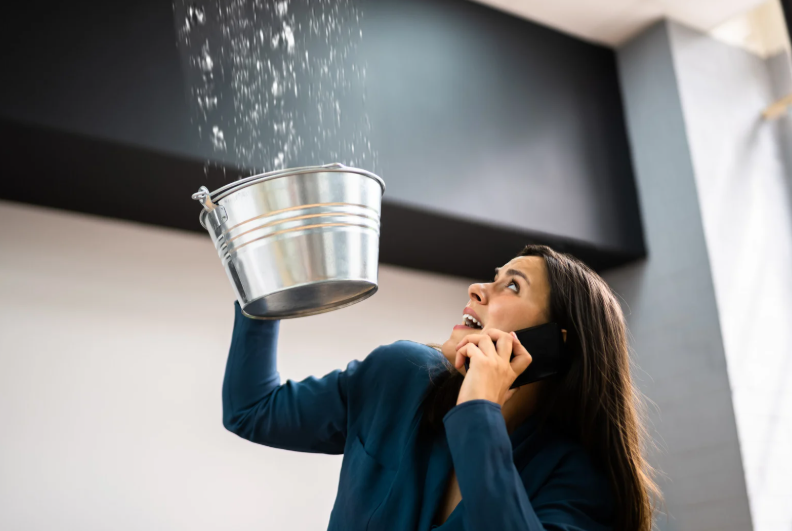
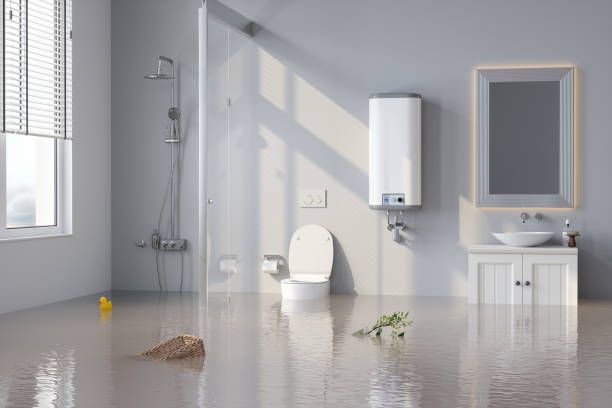
Water damage can strike unexpectedly, leaving your home or business vulnerable to structural issues, mold growth, and costly repairs. Understanding the water damage restoration process is crucial for minimizing damage and protecting your property. Professional restoration services follow a systematic approach to ensure your space is safe, clean, and fully restored. From the initial assessment to the final inspection, each step is designed to address water intrusion efficiently and prevent long-term problems. Whether caused by flooding, plumbing failures, or natural disasters, water damage requires prompt attention. Attempting DIY fixes can lead to incomplete drying, hidden mold, and recurring issues. Knowing how professionals handle the restoration process helps homeowners make informed decisions and ensures the property is returned to its pre-damage condition. In this guide, we break down the water damage restoration process step by step for clarity and peace of mind.
Emergency Response and Assessment
The first step in water damage restoration begins with a prompt emergency response. When water intrudes, time is critical to prevent further structural damage and the growth of mold. Professional restoration companies, like ServiceMaster Restoration Services, deploy trained technicians to assess the situation thoroughly. They evaluate the type of water—clean, gray, or black—and determine the extent of the damage to floors, walls, and personal belongings.
This initial assessment includes documenting the damage for insurance purposes and creating a detailed restoration plan. Emergency response teams may use moisture meters, infrared cameras, and other specialized tools to identify hidden water pockets. Acting quickly at this stage reduces repair costs and helps prevent long-term health hazards. The assessment ensures the restoration process is accurate, safe, and efficient.
Water Extraction
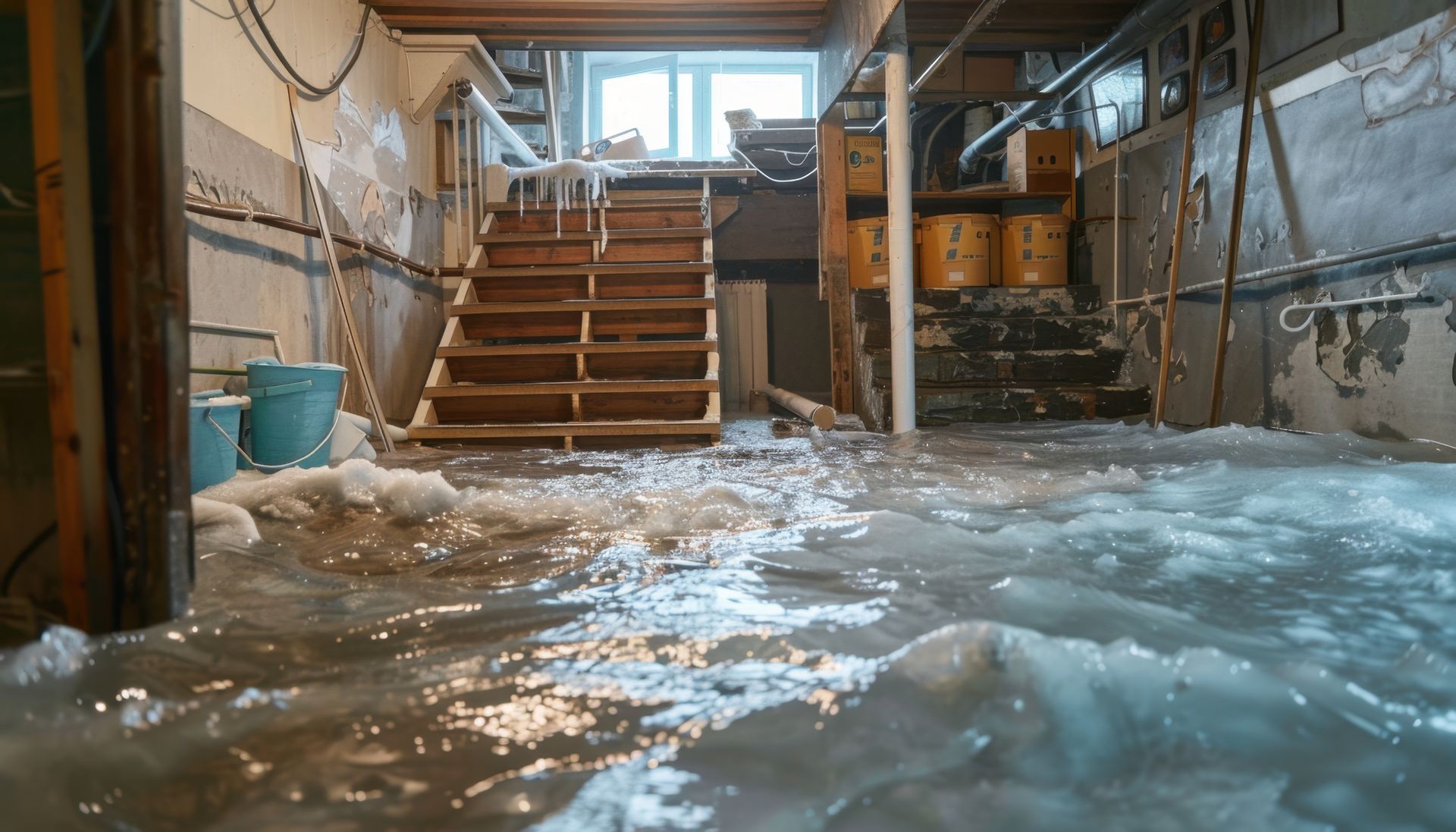
After assessing the damage, the next step in water damage restoration is removing standing water. Technicians use industrial-grade pumps and vacuums to extract water from carpets, flooring, and other affected areas. This step is crucial because lingering water can seep into foundations and walls, causing irreversible damage if left untreated.
Water extraction also helps reduce the overall drying time, which minimizes disruption to your home or business. Specialized equipment allows restoration professionals to target hard-to-reach areas, ensuring thorough removal. The faster the water is extracted, the lower the risk of mold growth, structural compromise, and further property loss. Efficient water removal sets the foundation for the remaining restoration process.

Drying and Dehumidification
Once water is removed, water damage restoration focuses on drying and dehumidifying the affected areas. Industrial air movers and dehumidifiers are strategically placed to circulate air and reduce moisture levels in walls, floors, and ceilings. Drying is critical because even small amounts of residual moisture can lead to mold growth and structural deterioration.
Technicians continuously monitor humidity levels to ensure the property is completely dry. Depending on the severity of the damage, this stage can take several days. Advanced drying techniques, including the use of heat and airflow, are applied to prevent warping, cracking, or further damage to building materials. Proper dehumidification guarantees that the property is stabilized before repairs begin.
Cleaning and Sanitizing
After drying, the water damage restoration process moves to cleaning and sanitizing. Water intrusion often carries bacteria, contaminants, and allergens, particularly in cases involving gray or black water. Professional technicians clean carpets, furniture, and personal items using specialized antimicrobial solutions.
Sanitizing helps prevent mold growth and eliminates odors associated with water damage. Restoration teams also treat affected areas with disinfectants to ensure a safe environment. Proper cleaning restores not only the appearance of the property but also its health and safety. This step is essential for preventing long-term damage and maintaining indoor air quality.
Mold Prevention and Remediation
Mold is a common consequence of water damage and can develop within 24–48 hours. Effective water damage restoration includes proactive mold prevention measures. Technicians inspect for mold growth and apply fungicidal treatments where necessary.
In more severe cases, remediation specialists remove contaminated materials such as drywall, insulation, or flooring. Containing and addressing mold is crucial to protect your property and the health of its occupants. By integrating mold prevention into the restoration process, homeowners can avoid recurring issues and costly repairs in the future.
Structural Repairs and Restoration
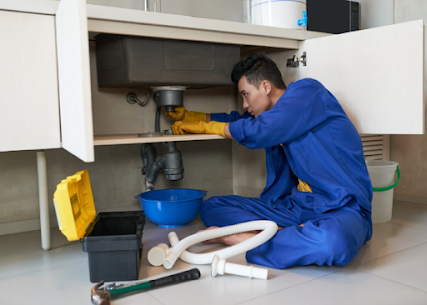
Once the property is dry, cleaned, and sanitized, water damage restoration proceeds to structural repairs. This step may involve replacing damaged drywall, flooring, or cabinetry. Technicians ensure that all structural elements are restored to their original condition, addressing any warping, cracks, or weakened supports caused by water intrusion.
Restoration also includes cosmetic repairs, such as repainting and refinishing surfaces. Professional teams prioritize quality and durability, using materials that match the original design. Structural restoration ensures the property is not only functional but also safe and aesthetically restored.
Final Inspection and Quality Assurance
The last step in water damage restoration is a thorough final inspection. Technicians check moisture levels, confirm that mold is eliminated, and ensure that all repairs are completed to professional standards. A detailed report may be provided for insurance purposes and homeowner records.
Final inspections guarantee that the property is fully restored and safe for occupancy. Any remaining concerns are addressed promptly, ensuring peace of mind. Quality assurance at this stage confirms that the restoration process has been thorough, leaving no hidden issues that could lead to future damage.
Tips for Preventing Future Water Damage
After completing the water damage restoration process, prevention is key to avoiding repeat incidents. Homeowners should regularly inspect plumbing, clean gutters, and maintain proper drainage around their property. Installing water alarms and sump pumps can provide early warnings and prevent severe damage.
Routine maintenance and prompt attention to leaks are essential strategies. By combining proactive measures with professional restoration expertise, property owners can minimize the risk of water-related damage and safeguard their investment. Preventative steps ensure long-term protection and peace of mind.
Conclusion
The water damage restoration process is a comprehensive approach designed to protect your property, health, and investment. From emergency response and water extraction to drying, cleaning, mold prevention, and structural repairs, each step is critical to restoring your home or business effectively. Professional restoration ensures that no hidden damage is overlooked, preventing costly long-term issues.
At ServiceMaster Restoration Services in Lisle, our trained technicians follow industry-standard procedures to guarantee thorough and reliable restoration. Whether dealing with minor leaks or severe flooding, we provide expert guidance and professional care. For immediate assistance or to schedule a consultation, contact us at (630) 241-1111. Trust our team to restore your property safely, efficiently, and completely, giving you peace of mind after water damage.
Blog