Fast Help When Water Damage Restoration Is Needed
Unexpected water damage can strike at any time, leaving homes and businesses vulnerable to structural issues, mold growth, and costly repairs. When flooding, burst pipes, or severe leaks occur, swift action is critical to prevent further destruction and ensure safety. Water damage restoration requires not only quick response but also professional expertise to assess the extent of the damage, remove excess moisture, and restore affected areas efficiently. Whether it’s a minor leak or a major flood, having a reliable team ready to respond can make all the difference. Immediate attention reduces long-term damage and helps property owners regain normalcy faster.
Quick Assessment and Immediate Response
When water infiltrates a home or business, swift evaluation becomes the foundation of successful water damage restoration. Professionals immediately examine the property to determine the extent of damage, identifying areas where water has accumulated and assessing potential structural weaknesses. This early inspection is crucial because water can seep into walls, floors, and foundations, creating long-term problems if left unchecked. By quickly pinpointing affected zones, restoration teams can prioritize urgent tasks and plan a targeted approach to mitigate damage. For property owners, this rapid response not only reduces the impact on belongings but also provides a clear roadmap for the restoration process, helping to alleviate stress and uncertainty.
After the assessment, action moves from planning to execution. Technicians begin water extraction and initiate drying processes using specialized equipment to manage moisture efficiently. Monitoring of critical areas continues throughout, ensuring that no hidden wet spots remain that could lead to mold or structural deterioration. Rapid intervention at this stage is vital to minimize repair costs, protect personal property, and maintain a safe environment. Early and thorough assessment forms the backbone of effective
water damage restoration, setting the stage for a successful recovery and the preservation of both property and peace of mind.
Advanced Water Extraction Techniques
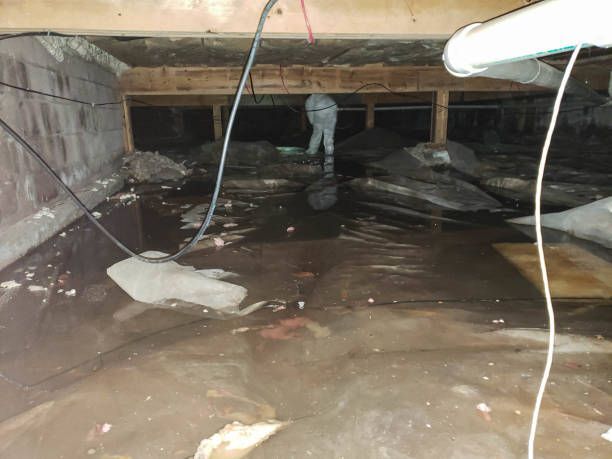
Effective water damage restoration relies heavily on advanced extraction methods that remove standing and absorbed water efficiently. High-capacity pumps, industrial vacuums, and other specialized tools are deployed to clear water from carpets, hardwood floors, subfloors, and wall cavities. These tools allow restoration teams to address both surface-level water and moisture that has penetrated deeper layers of the property. Quick and thorough extraction prevents water from spreading further, reducing the risk of warping, staining, and long-term structural compromise. Every minute counts during water emergencies, and utilizing advanced techniques ensures that the damage is contained as rapidly as possible.
Hidden moisture is often the most destructive, as it can go unnoticed behind walls or beneath floors. To combat this, restoration experts employ infrared cameras and moisture meters to detect damp areas and verify complete removal. Combining extraction with precise monitoring guarantees that no part of the property is left vulnerable. This meticulous approach also accelerates the drying process and lowers the chances of mold or mildew developing. By using advanced extraction technologies, water damage restoration ensures a safer, cleaner, and more controlled recovery environment, addressing both visible and hidden risks effectively.
Structural Drying and Dehumidification
Following water removal, attention shifts to structural drying and dehumidification, which are critical in preventing permanent damage. Building materials such as wood, drywall, and concrete retain moisture long after visible water has been removed, which can compromise structural integrity if not managed promptly. Restoration professionals strategically place air movers and industrial-grade dehumidifiers to circulate dry air and extract trapped moisture from all affected surfaces. This controlled approach ensures that drying occurs evenly, reducing the likelihood of warping, cracking, or weakening of structural components. Effective drying is an essential step in returning the property to a safe and stable condition.
Continuous monitoring complements the drying process, with technicians regularly checking moisture levels in hard-to-reach areas like wall cavities, subfloors, and ceilings. Adjustments to airflow, temperature, and dehumidification are made to maximize efficiency and prevent secondary damage. By thoroughly drying the property, water damage restoration safeguards against mold growth, musty odors, and ongoing deterioration. The combination of precision equipment and careful monitoring guarantees a complete and effective restoration, reinforcing the overall safety and longevity of the structure.
Mold Prevention and Remediation
Water-damaged properties are highly susceptible to mold growth, which can develop quickly if moisture remains unchecked. Mold can begin forming within 24 to 48 hours, posing health risks and further damaging structural elements. Water damage restoration teams focus on preventing mold by applying anti-fungal treatments, maintaining optimal drying conditions, and monitoring humidity levels throughout the property. This proactive approach ensures that even hidden damp areas are treated, reducing the likelihood of mold spreading or causing long-term problems. Professional intervention at this stage is essential to preserve both property and occupant health.
When mold has already developed, remediation is performed alongside water damage restoration. Technicians use specialized cleaning, removal, and surface treatment methods to eliminate mold spores and prevent recurrence. Treated areas are sealed and monitored to confirm complete eradication, ensuring that mold does not return after the restoration process. Addressing mold early minimizes structural and aesthetic damage, prevents odors, and promotes a safe living or working environment. Comprehensive mold prevention and remediation are integral to successful water damage restoration, providing long-term protection and peace of mind.
Repairing Damaged Surfaces
Water damage often leaves visible destruction to walls, floors, ceilings, and other surfaces, which can compromise the appearance and safety of a property. Restoration teams evaluate each material to determine whether it can be salvaged or requires replacement. This evaluation allows for targeted repairs that address only what is necessary, preventing unnecessary expenses and preserving intact elements. Quick and efficient repairs help prevent minor damage from escalating, restoring both functionality and visual appeal to the affected spaces.
Repairing damaged surfaces involves a combination of removal, treatment, and restoration. Flooring may be refinished, drywall replaced, and structural components reinforced. The restoration process ensures that surfaces are safe, stable, and visually consistent with undamaged areas. By addressing damage systematically, water damage restoration not only resolves the immediate effects of water intrusion but also strengthens the property against future risks. Completing surface repairs is a vital step in restoring a property’s integrity, comfort, and overall value.
Electrical and Safety Inspections
Water intrusion presents serious safety hazards, particularly regarding electrical systems. Moisture can cause short circuits, corrosion, and even fire hazards if appliances, outlets, or wiring are affected. Water damage restoration professionals perform comprehensive electrical inspections to identify compromised components and prevent accidents. Safety is prioritized before any restoration work continues, protecting both the occupants and the property.
Structural safety is also assessed during this stage. Floors, support beams, and ceilings weakened by water exposure are carefully examined and reinforced as necessary. Technicians implement safety measures to ensure that the environment remains secure throughout the restoration process. These inspections guarantee that water damage restoration is conducted in a controlled and safe manner, mitigating risks while addressing both visible and hidden threats. Ensuring electrical and structural safety protects lives, reduces liability, and maintains the property’s overall functionality.
Odor Control and Air Quality Management
Water damage can result in persistent odors due to stagnant water, bacterial growth, or mold development. Controlling these odors is a key component of water damage restoration. Restoration teams apply air scrubbers, ozone treatments, and specialized cleaning products to neutralize unpleasant smells at their source. This prevents the persistence of musty odors and ensures that the space feels fresh and habitable once the restoration is complete.
Air quality management is equally critical, as moisture and microbial growth can impact health. Dehumidifiers and ventilation systems are used to maintain optimal humidity and airflow throughout the property. Regular monitoring allows technicians to identify areas at risk of lingering moisture or odor, adjusting the restoration approach as needed. Through thorough odor control and air quality management, water damage restoration improves both the comfort and safety of the property, creating a healthier environment for occupants.
Conclusion
Dealing with water damage requires prompt and professional action to protect your property and prevent further issues. ServiceMaster Restoration Services in Lisle, IL provides fast and reliable water damage restoration to help homeowners and businesses recover quickly. Their experienced team uses advanced techniques to remove water, dry structures, and restore affected areas efficiently. Don’t wait for minor damage to escalate contact ServiceMaster Restoration Services today at (630) 241-1111 for immediate assistance and ensure your property is in capable hands.