Water Damage Restoration Guide for Fast Emergency Response
Water damage can strike without warning—from burst pipes and appliance failures to heavy storms and flooding. When it happens, immediate action is critical to prevent structural damage, mold growth, and costly repairs. Water Damage Restoration is the professional process designed to respond quickly, remove excess moisture, and restore affected areas before long-term damage sets in. This guide explains why fast emergency response matters and how professional restoration services protect homes and businesses during water-related emergencies. Understanding the restoration process empowers property owners to act decisively, minimize losses, and safeguard their investment. Whether facing a minor leak or a major flood, knowing what to expect from emergency restoration services can make all the difference in recovery time, repair costs, and overall safety.
Understanding Emergency Water Damage Situations
Water damage emergencies can occur for many reasons, including plumbing failures, sewer backups, roof leaks, or severe weather events. These situations often escalate quickly, allowing water to penetrate walls, floors, and structural materials within minutes. The longer moisture remains, the greater the risk of permanent damage and contamination. Emergency water damage is not always visible on the surface. Water can seep behind drywall, under flooring, and into insulation, creating hidden pockets of moisture.
These unseen areas often lead to mold growth, wood rot, and compromised structural integrity if not addressed promptly. A professional response focuses on identifying the source of the water, stopping further intrusion, and assessing the extent of the damage. Trained technicians use advanced tools to detect moisture and evaluate affected areas accurately. This immediate assessment ensures that restoration efforts are targeted, effective, and completed as efficiently as possible.
Why Fast Response Is Critical After Water Damage
Time is the most important factor after water damage occurs. Within the first 24 to 48 hours, moisture can weaken building materials, stain surfaces, and encourage microbial growth. Acting quickly helps reduce repair costs and prevents secondary damage that can significantly increase restoration timelines. Fast response limits the spread of water to unaffected areas. When moisture is removed promptly, floors, walls, and personal belongings have a better chance of being salvaged rather than replaced.
Quick action also reduces the risk of health hazards caused by mold and bacteria. Professional emergency teams are equipped to respond immediately, often within hours of a call. Their rapid deployment includes water extraction, drying, and stabilization of the property. This proactive approach not only restores the space faster but also provides peace of mind during an otherwise stressful situation.
The Initial Assessment and Damage Evaluation Process
The first step in any emergency restoration effort is a thorough inspection of the affected property. Technicians assess the source of the water, the category of contamination, and the extent of moisture penetration. This evaluation guides every decision that follows in the restoration process. Advanced moisture detection equipment, such as infrared cameras and hygrometers, allows professionals to locate hidden water without unnecessary demolition.
Accurate assessment ensures that no affected areas are overlooked, reducing the risk of future issues like mold or structural deterioration. Once the inspection is complete, a customized restoration plan is developed. This plan outlines the necessary steps, equipment, and timeline required to restore the property efficiently. Clear communication during this phase helps property owners understand the scope of work and what to expect throughout the restoration process.
Water Extraction and Moisture Removal Techniques
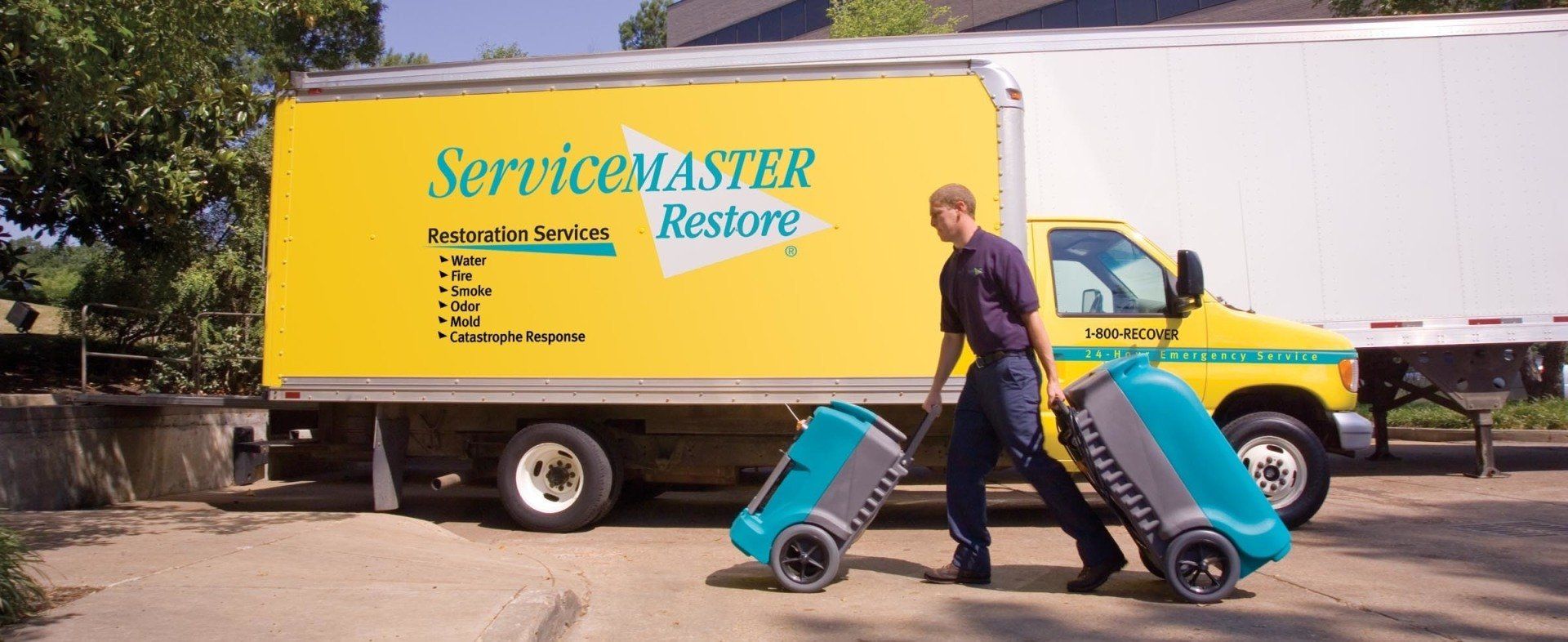
Removing standing water is a critical step in minimizing damage and accelerating recovery. High-powered pumps and industrial-grade vacuums are used to extract large volumes of water quickly and efficiently. This step prevents further absorption into building materials. After visible water is removed, specialized drying equipment is deployed to eliminate residual moisture. Air movers, dehumidifiers, and controlled airflow systems work together to dry floors, walls, and structural components thoroughly.
Proper drying prevents warping, swelling, and microbial growth. Professionals monitor moisture levels throughout the process to ensure effective drying. Adjustments are made as needed to achieve optimal results. This systematic approach is essential for restoring the property safely and preparing it for repairs or reconstruction.
Preventing Mold Growth During Emergency Restoration
Mold can begin to develop within 24 hours of water exposure, making prevention a top priority during restoration. Moist environments provide ideal conditions for mold spores to grow and spread rapidly throughout a property. Professional restoration teams implement mold prevention measures early in the process. This includes thorough drying, antimicrobial treatments, and containment strategies to prevent cross-contamination.
These steps help protect indoor air quality and occupant health. Addressing moisture at its source is key to long-term mold prevention. By eliminating hidden damp areas and maintaining proper humidity levels, restoration professionals reduce the likelihood of future mold issues. This proactive approach ensures a safer and healthier environment after restoration is complete.
Structural Drying and Property Stabilization
Structural drying focuses on restoring the integrity of the building itself. Water can weaken wood, drywall, and foundational materials if not properly dried and stabilized. Controlled drying techniques help preserve these components and prevent long-term deterioration. During this phase, technicians carefully monitor temperature, airflow, and humidity levels.
The goal is to dry materials evenly without causing additional stress or damage. Proper stabilization ensures that the property remains safe and secure throughout the restoration process. Once structural drying is complete, the property is prepared for repairs or cosmetic restoration. Stabilizing the structure early reduces the need for extensive reconstruction and helps return the space to normal use more quickly.
Working With Insurance During Emergency Response
Navigating insurance claims after water damage can be overwhelming. Professional restoration providers often assist with documentation and communication to streamline the claims process. Accurate records support faster approvals and fair coverage. Technicians document the damage, restoration steps, and equipment used throughout the project. This detailed information helps insurance adjusters understand the scope of work and associated costs.
Clear documentation reduces delays and misunderstandings. Having experienced professionals involved can ease the burden on property owners. Their familiarity with insurance procedures ensures that restoration progresses smoothly while minimizing administrative stress during an already challenging time.
Choosing a Professional Emergency Restoration Team
Selecting the right restoration provider is essential for effective recovery. Look for a team with experience, proper certifications, and a proven track record of emergency response. Availability and rapid response capabilities are also critical factors. A professional team offers comprehensive services, from initial assessment to complete restoration.
Their expertise ensures that all aspects of the damage are addressed correctly and efficiently. This holistic approach reduces the risk of future problems. Trustworthy restoration providers prioritize communication, transparency, and quality workmanship. Choosing a reliable team ensures that your property is restored safely and professionally, allowing you to move forward with confidence.
Conclusion
Fast action is the key to minimizing damage and restoring peace of mind after a water-related emergency. From immediate assessment and water removal to drying, stabilization, and prevention, professional Water Damage Restoration ensures properties are protected and restored efficiently. Acting quickly reduces repair costs, limits health risks, and preserves the integrity of your home or business. For dependable emergency restoration services in Lisle, trust ServiceMaster Restoration Services. Their experienced team is equipped to respond quickly and restore your property with care and precision. If you’re facing water damage and need immediate assistance, call (630) 241-1111 to get expert help when it matters most.